What Actually Makes a Case Study Worth Including in a Proposal

Most A/E/C firms have a folder of past project write-ups somewhere, and most of those write-ups get pulled into proposals almost unchanged. The problem is that a project summary written for a portfolio and a case study written to win a specific pursuit are not the same document, even when they describe the same job. Selection committees read dozens of these in a short window, and the ones that stand out are built around a decision, a constraint, or a result the committee will actually recognize from their own project.
The Gap Between a Completed Project and a Usable Case Study
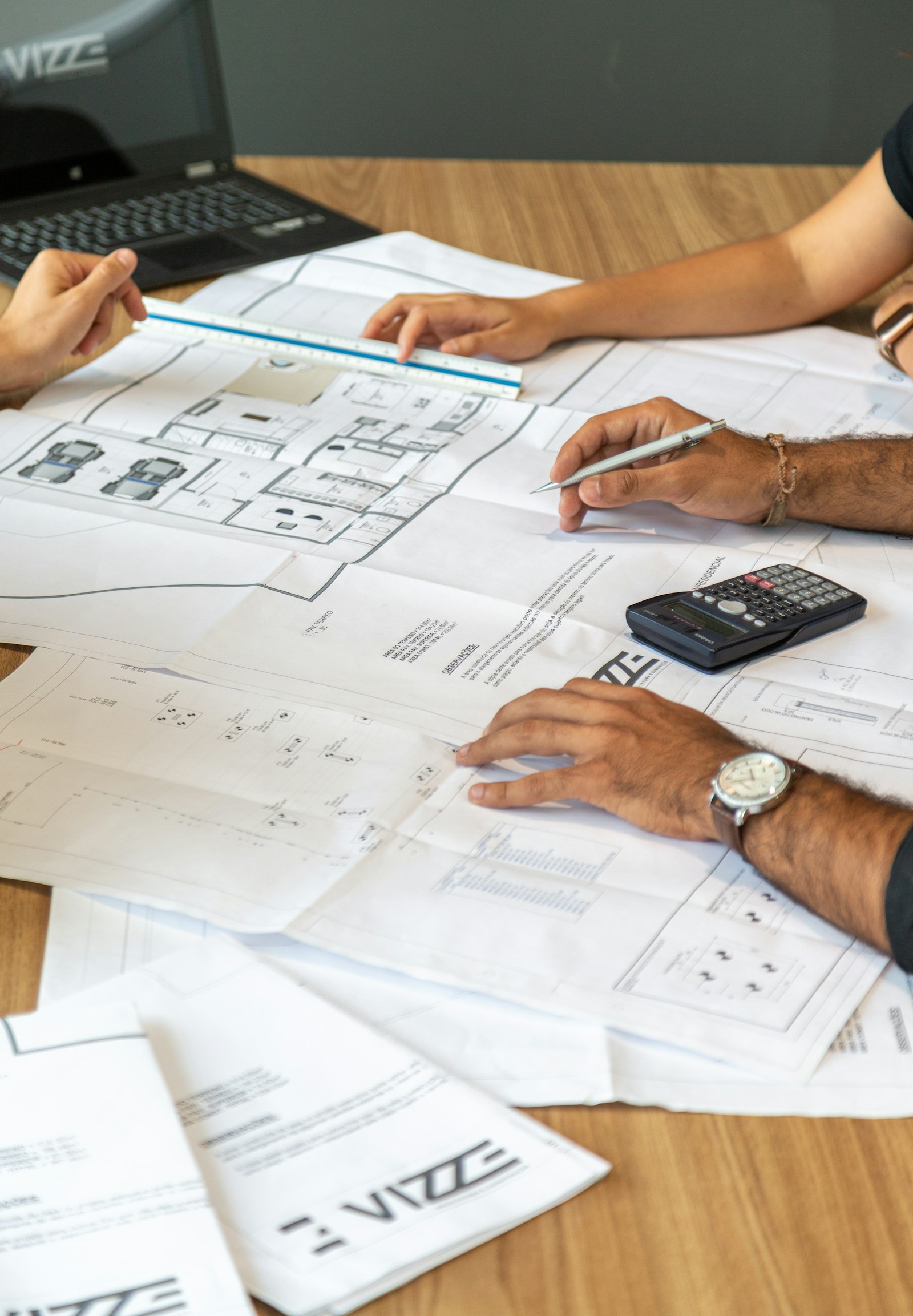
A finished project generates plenty of raw material: schedules, budget data, client emails, punch lists, maybe a few photos from the field team. None of that is a case study yet. Turning it into one means deciding what the reader needs to take away in the thirty seconds they'll actually spend on the page. Firms that skip this step end up with a summary that lists scope and square footage but never says what was hard about the job or how the team solved it, which is the part a committee is actually trying to evaluate.
What a Strong Case Study Actually Contains
The case studies that hold up under scrutiny follow a consistent shape: a specific challenge stated in one or two sentences, the approach the team took to address it, and a result that can be verified, whether that's a schedule recovered, a budget held, or a stakeholder group brought into agreement. Client quotes help, but only when they speak to that same challenge rather than offering generic praise. A reviewer should be able to read the case study cold and understand exactly what problem your firm is good at solving.
Matching the Case Study to the Pursuit
The same completed project can support several different case studies, depending on which pursuit it's supporting. A hospital renovation might get framed around infection control sequencing for one pursuit and around stakeholder communication with clinical staff for another. Reusing one fixed write-up across every RFP is the most common way a strong project ends up looking generic on paper. The case study should answer the specific question this committee is asking, not the question a different committee asked last year.
Visuals Carry Half the Argument
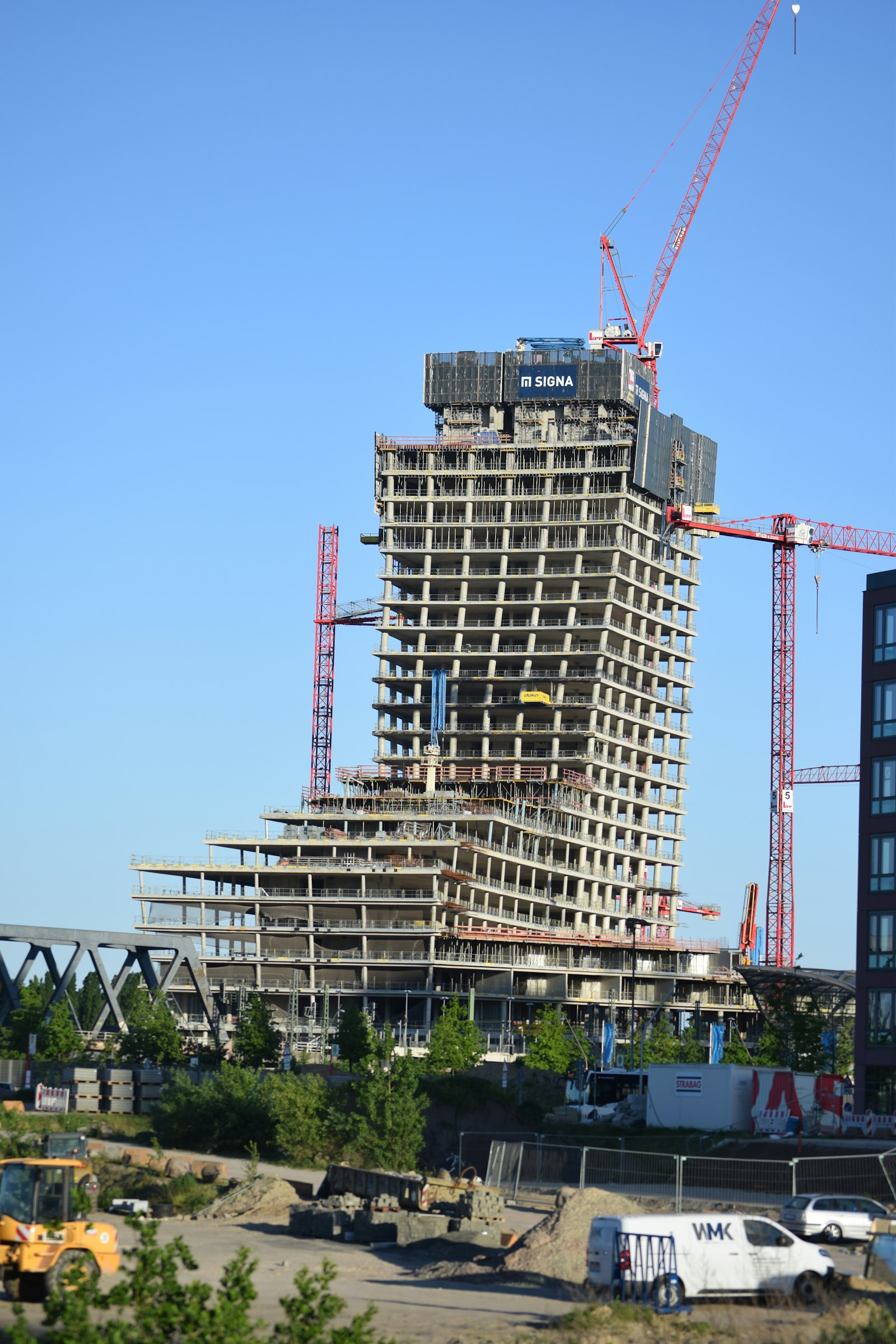
Text alone rarely gets a reader to slow down. A well-placed before-and-after image, a simple site logistics diagram, or a photo that shows the actual condition being described does more to establish credibility than another paragraph of narrative. This doesn't require a full rendering package. It requires choosing one or two images that back up the specific claim being made in that case study, rather than defaulting to a generic exterior shot because it's the best photo on file.
Keeping the Case Study Library Current
A case study library goes stale fast if it's only updated when a new RFP forces the issue. Firms that treat it as a standing asset build a habit of capturing the challenge, the numbers, and a usable photo set at project closeout, while the details are still accurate and the client is still willing to be quoted. That habit turns case study development from a scramble before each deadline into a matter of selecting from material that already exists and shaping it to fit.
The Bottom Line
A case study earns its place in a proposal by answering a specific question a committee is asking, not by summarizing a project in general terms. Firms that build their case study library around real challenges, verifiable results, and images tied to a specific claim consistently produce proposals that read as more credible, without adding pages or more graphics for their own sake. That's the difference between a case study that gets skimmed and one that gets remembered in the room.