Case Study Development: Turning Completed Projects Into Proof

Every architecture, engineering, and construction firm has finished projects that could win the next one. Few have documented them in a form a prospective client can use. Case study development converts a completed project into a short, credible account of the problem, the approach, and the result. Done well, a case study becomes one of the most reusable assets in a proposal library. Teams that treat documentation as part of closeout, instead of a marketing chore months later, build a library faster and with fewer gaps. This post lays out a practical way to do that.
Choose the Right Projects
Not every project makes a good case study. The best candidates share a clear challenge, a distinctive approach, and a result that can be described with facts. A fast-track hospital renovation, a school built on a constrained urban site, or a water treatment upgrade completed during live operation each offers a specific story. Selecting projects that match target markets makes the library useful for pursuits. Selection also depends on timing. A project still fresh in the owner's mind produces better quotes, and a team that has just finished the work can describe the hardest decisions accurately and in detail.
Gather the Facts Early
Case studies depend on specifics: schedule performance, cost outcomes, safety record, sustainability measures, and owner feedback. Collecting this information while the project team is still available prevents guesswork later. A short interview with the project manager and a quick review of closeout documents usually supplies most of what is needed. If budget figures are confidential, the study can still report percentages, ranges, or qualitative outcomes. Owners usually agree to disclosure when the draft is short, accurate, and shows their organization in a positive and fair light.
Structure the Story
A reliable structure has four parts: the situation, the challenge, the approach, and the outcome. The situation sets context in a few sentences. The challenge names what made the project difficult. The approach explains what the team did differently. The outcome states the result in terms the owner cares about. This order lets a reader grasp the value in under a minute. Writers should avoid vague praise and keep every sentence tied to something a reader could verify. Specific dates, quantities, and names of challenges carry more weight than adjectives, and they give the proposal team material to reuse in other settings.
Use Visuals That Support the Claim
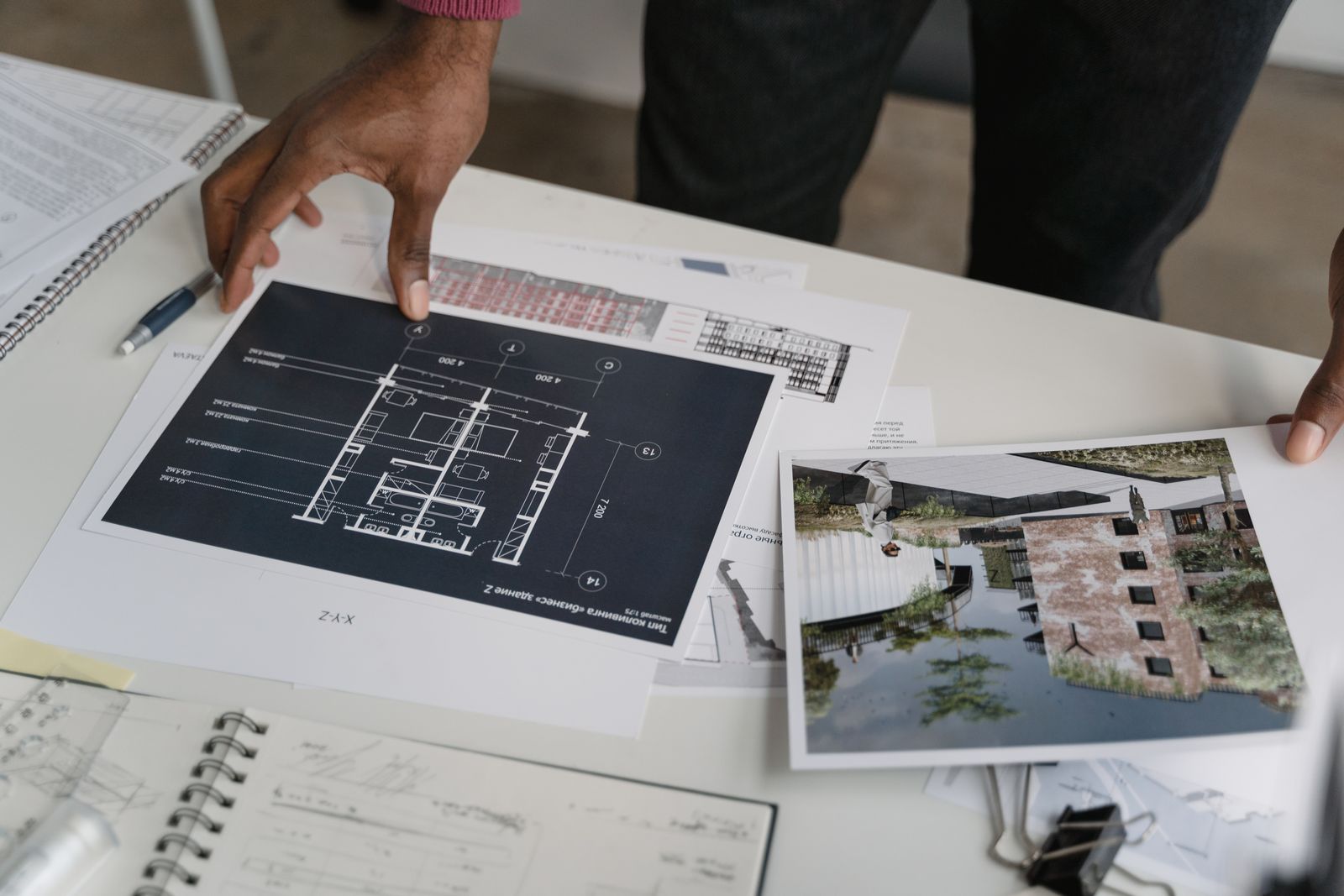
Photographs, diagrams, and renderings should illustrate the approach, not simply decorate the page. A logistics diagram can show how a tight site was managed. A before and after image can show the effect of a renovation. Each visual should carry a caption that connects it to a point in the story. Consistency across the library matters. Using the same headings, the same page length, and the same image treatment makes studies easy to scan and lets a proposal manager drop one into a package without reformatting or rewriting the text.
Include the Client's Voice
A short quote from the owner adds credibility that no firm can create for itself. Requesting permission early, and offering a draft for approval, keeps the process smooth. Even a single sentence about collaboration or schedule recovery can strengthen a page. Permission is best requested in writing, and an owner who sees the draft in advance is more likely to say yes. Keep a record of approvals so that future teams know which quotes can be used publicly.
Keep the Library Current
Case studies lose value if they go stale. Firms should review the library each year, retire older items, and add recent work. Tagging each study by sector, service, and delivery method makes it easy to assemble the right set for a proposal or presentation. Assign one person to own the library, track which studies were used in which pursuits, and note outcomes. Over time that record shows which stories resonate with which kinds of owners.
The Bottom Line
Case study development gives a firm documented proof of its approach. It requires choosing strong projects, collecting facts, telling the story in a consistent structure, and keeping the library current. Teams that build and maintain these assets spend less time scrambling for material and present a clearer record of what they have done. Start with three projects, finish them well, and add more each quarter. A small library that is accurate and current serves a proposal team better than a large one that nobody trusts.