Healthcare Pursuits Need More Than a Strong Qualification Package

Hospitals and medical centers are among the most demanding clients in the built environment. Projects are expensive, schedules are tight, and the building must keep functioning for patients while construction happens next to it. Teams pursuing this work are evaluated on far more than their past project list, and PRESWERX has seen that the most successful pursuits answer questions the owner has not yet asked.
Owners Evaluate Risk First
A healthcare owner reading a proposal is asking how much disruption the project will bring. Infection control, noise, vibration, utility shutdowns, and patient and staff routes all matter. A proposal that spends its pages on company history and awards leaves the evaluator to guess how the team will handle these issues. The stronger approach is to open with the owner's operational risks and show specific measures the team has taken on comparable projects.
Show the Plan, Not Just the Promise
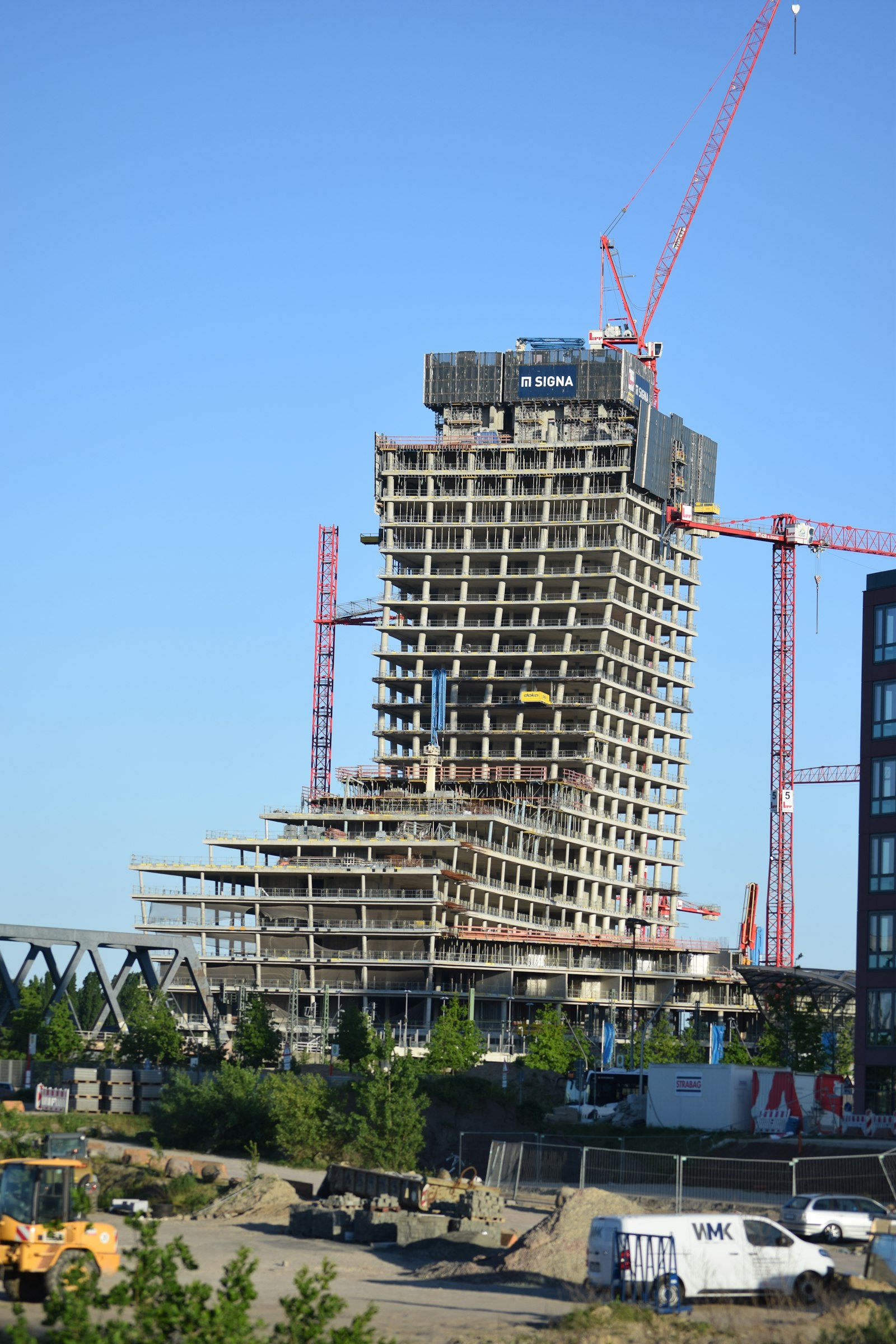
Phrases such as "we prioritize patient safety" appear in nearly every healthcare submission. They do little to separate teams. What stands out is a visible plan. A site logistics diagram that shows construction access routes separated from patient traffic, a phasing sequence that keeps departments operating, and a short animation of a critical shutdown can all demonstrate that the team has studied the project. Renderings and animations turn these plans into something a selection committee can understand quickly.
Write for a Mixed Evaluation Panel
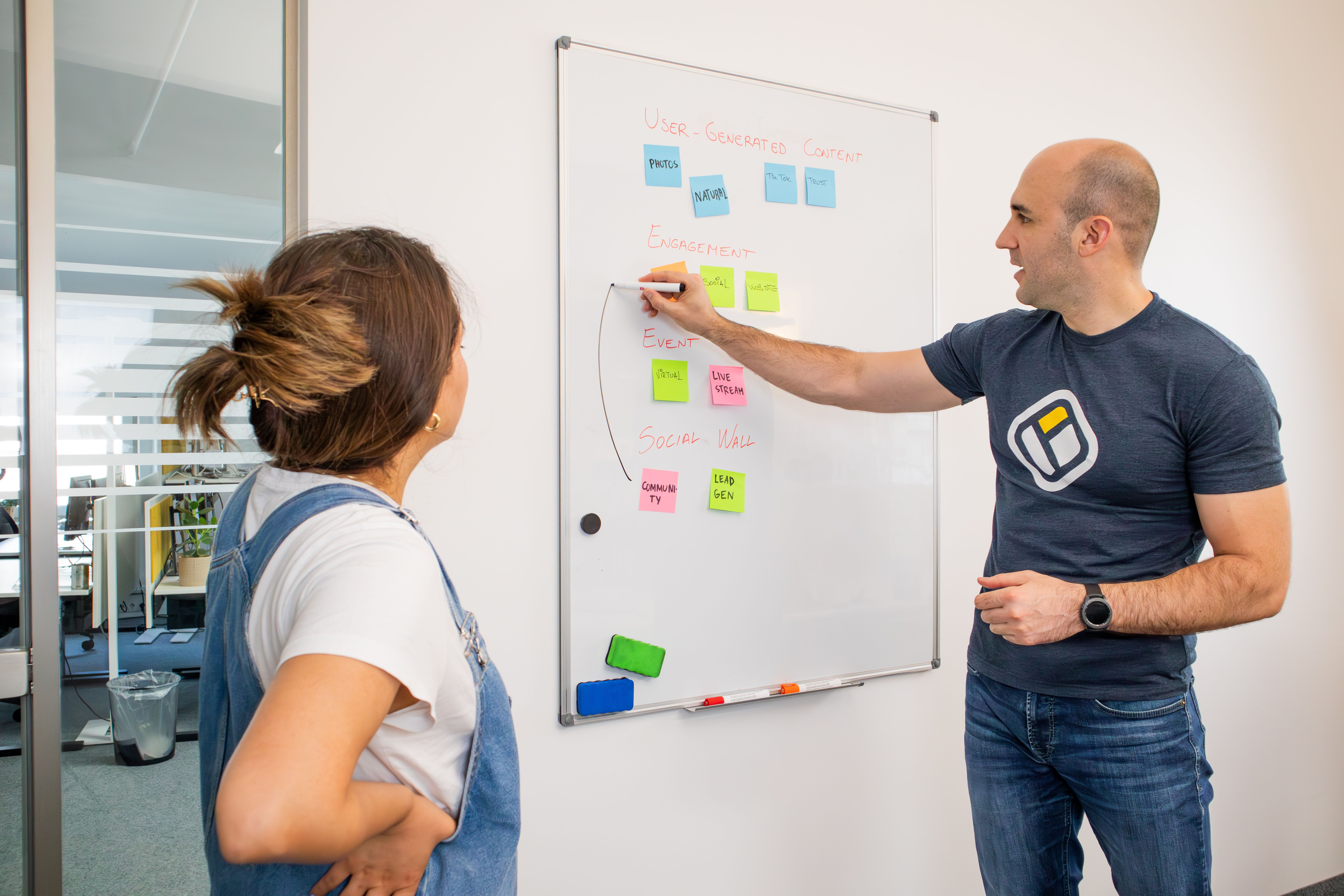
Healthcare selection panels often include clinicians, facilities managers, finance staff, and executives. Each reads for something different. Clinicians want to know how their department will function during construction. Facilities managers want to see technical competence in mechanical, electrical, and infection control work. Finance wants cost discipline. A proposal should address each audience in plain language and avoid wording that only construction professionals will follow.
Use Case Studies With Specific Outcomes
Past projects carry weight when they are described with real results. A case study that states the challenge, the actions taken, and the measurable outcome is far more convincing than a project summary with a photograph. Examples include keeping an emergency department open through a multi-phase renovation, hitting an occupancy date for a new tower, or reducing change orders through early coordination. PRESWERX builds these studies so teams can reuse them across pursuits.
Prepare the Interview Early
The shortlist interview is where many healthcare awards are decided. Teams should assign the people who will actually run the job to present, rehearse with outside reviewers, and prepare for hard questions about past problems. Presentation coaching helps the team tell a consistent story and respond with confidence. Slides should support the speaker with simple visuals and avoid dense text.
Keep Evidence Consistent Across Documents
Owners compare the written proposal, the interview, and any follow-up materials. Inconsistencies in staffing, schedule assumptions, or logistics undermine trust. A single pursuit lead should review all materials against one set of facts. Good document control matters here as much as good writing.
Visualization as a Planning Tool
Renderings and animations do more than decorate a proposal. Building a phasing animation forces a team to work out access, shutdown timing, and equipment placement in detail, and the questions it raises often improve the plan itself. Teams that complete this work before the interview enter the room with answers rather than assumptions, and evaluators notice the difference in how confidently the team responds.
The Bottom Line
Healthcare pursuits reward teams that show they understand the owner's operating reality. A strong qualification package is the entry ticket, but the award usually goes to the team that presents a clear, visual, and specific plan for protecting patients and staff during construction. Investing in proposal development, visualization, and interview preparation gives a team the means to make that case convincingly.