How Construction Logistics Animations Turn a Complex Site Plan Into a Winning Story
Every construction interview presentation eventually arrives at the same slide: the site logistics plan. It is usually the moment where a selection committee's attention either sharpens or drifts. A static drawing with color-coded zones and arrows asks the room to do a lot of translation work on the fly, matching legend items to shapes and imagining how the site changes over eighteen months of phased work. A construction logistics animation removes that translation step. It shows the sequence instead of describing it, and that difference is often what separates a presentation the committee remembers from one they forget by the next firm's pitch.
Why Static Plans Fall Short in the Room
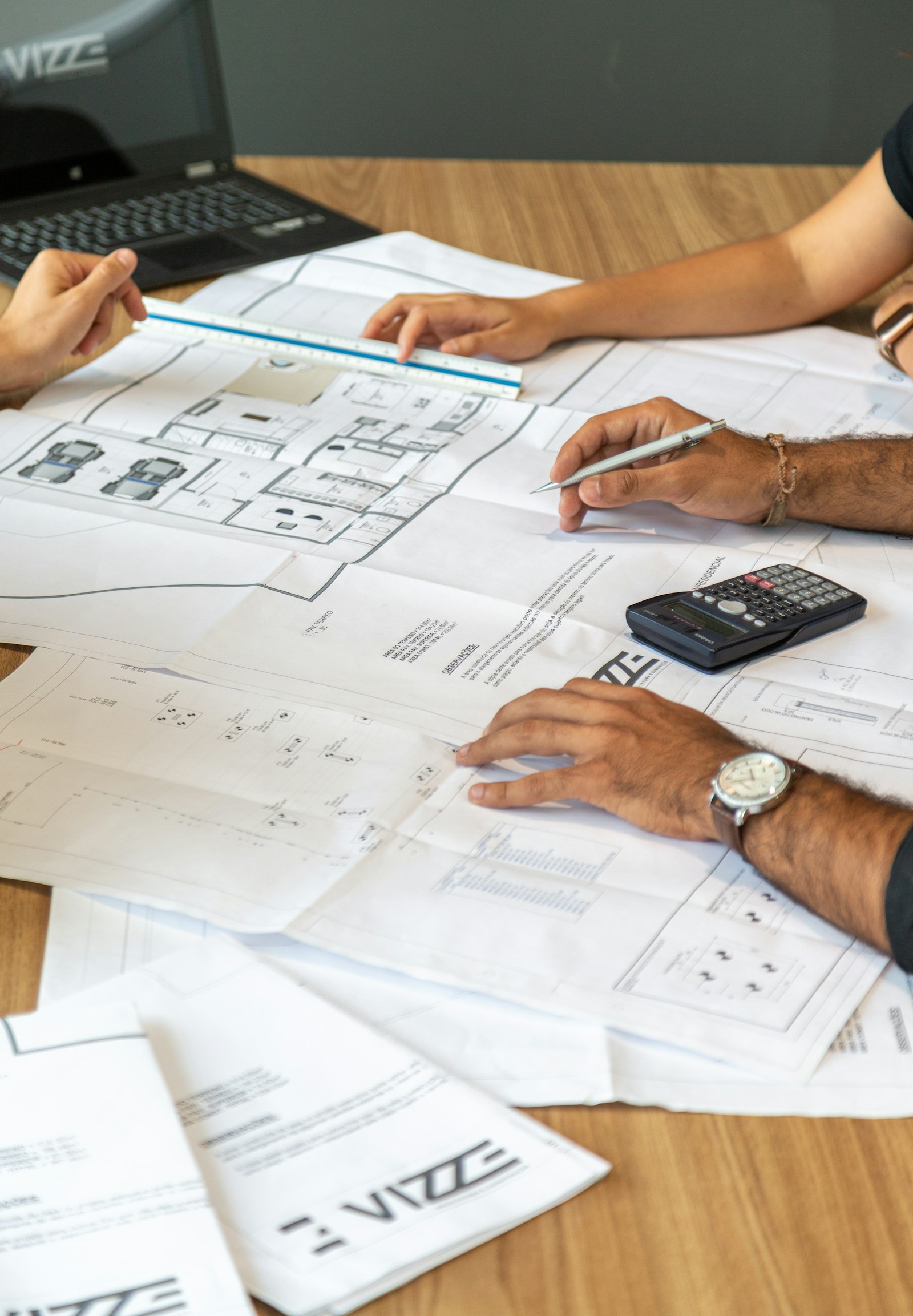
A site logistics plan carries a lot of information: crane locations, laydown areas, haul routes, pedestrian protection, and phasing boundaries. On paper, all of that sits on top of each other in one static image, and the presenter has to narrate the sequence while the committee tries to follow along on a page that never changes. In a 20-minute interview, that narration eats time that could go toward answering the committee's actual questions. An animation carries the sequencing itself, so the presenter can spend that time on judgment calls and lessons learned instead of basic orientation.
What a Logistics Animation Actually Shows
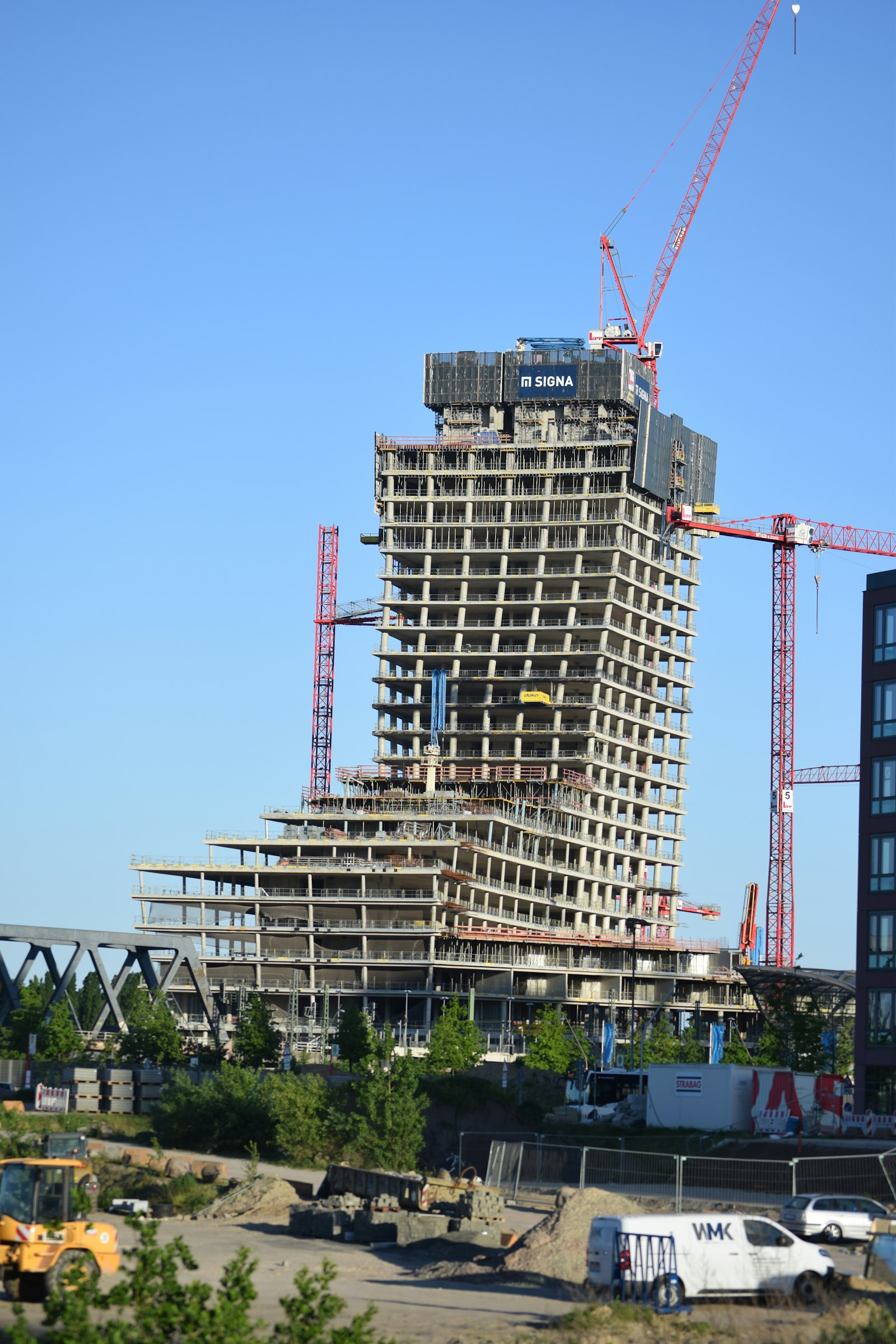
A well-built animation walks through the project in the order it will really happen: mobilization, early sitework, structural phases, MEP rough-in, and closeout, with site conditions changing at each stage. Crane picks appear where they will occur. Haul routes shift as access points open and close. Pedestrian and traffic protection measures show up at the point in the schedule they are actually needed, rather than sitting as a static legend item the committee has to remember applies the whole time. The goal is not spectacle. It is accuracy that reads clearly in the two or three minutes a team actually has to cover logistics in an interview.
Where It Fits in the Proposal, Not Just the Interview
Logistics animations are often associated with interview presentations, but the same asset earns its cost earlier, inside the written proposal or qualifications package. A reviewer flipping through a hundred-page submission spends seconds on any single graphic. A logistics sequence that is legible at a glance, with clear phase labels and a consistent color key, does more work in that short window than a paragraph of narrative. Building the animation once and pulling stills from it for the written volume keeps the graphics consistent across every touchpoint the client sees.
The Coordination Problem It Solves Internally
There is a second audience for these animations that has nothing to do with winning the work: the project team itself. Building the sequence forces the superintendent, project executive, and preconstruction lead to agree, in detail, on how the site will actually be staged before a single subcontractor is on-boarded. Disagreements that would otherwise surface three months into the job, once conflicting assumptions become visible on-site, tend to surface during animation review instead, when they are still cheap to resolve.
Getting the Scope Right
The animations that work well share a few traits. They are built from the actual civil and structural drawings, not a rough approximation, and they get updated when the schedule or phasing changes rather than presented as a snapshot that quietly goes stale. They also stay focused on logistics rather than trying to double as a full construction sequence video, since combining the two usually makes both harder to follow. Scoping the tool to a specific decision, how the site actually accommodates the work, keeps it useful rather than decorative.
The Bottom Line
A construction logistics animation is not a substitute for a strong technical approach. It is a way of making that approach visible to people who have to evaluate it quickly and compare it against several competing teams in the same afternoon. Firms that treat it as a coordination exercise first, and a presentation asset second, tend to get more out of it on both fronts.
The PRESWERX Team