Architectural Visualization That Stays Honest to the Design

Architectural visualization is often treated as the last step before a pursuit goes out the door, a polish applied once the real thinking is finished. In practice, the images a selection panel sees are frequently the only part of a submission they remember. That puts a heavy load on a handful of renderings, and it makes accuracy more important than atmosphere. A visualization that overpromises will cost a team credibility the moment the project is built or the design changes.
Start From the Model, Not the Mood Board
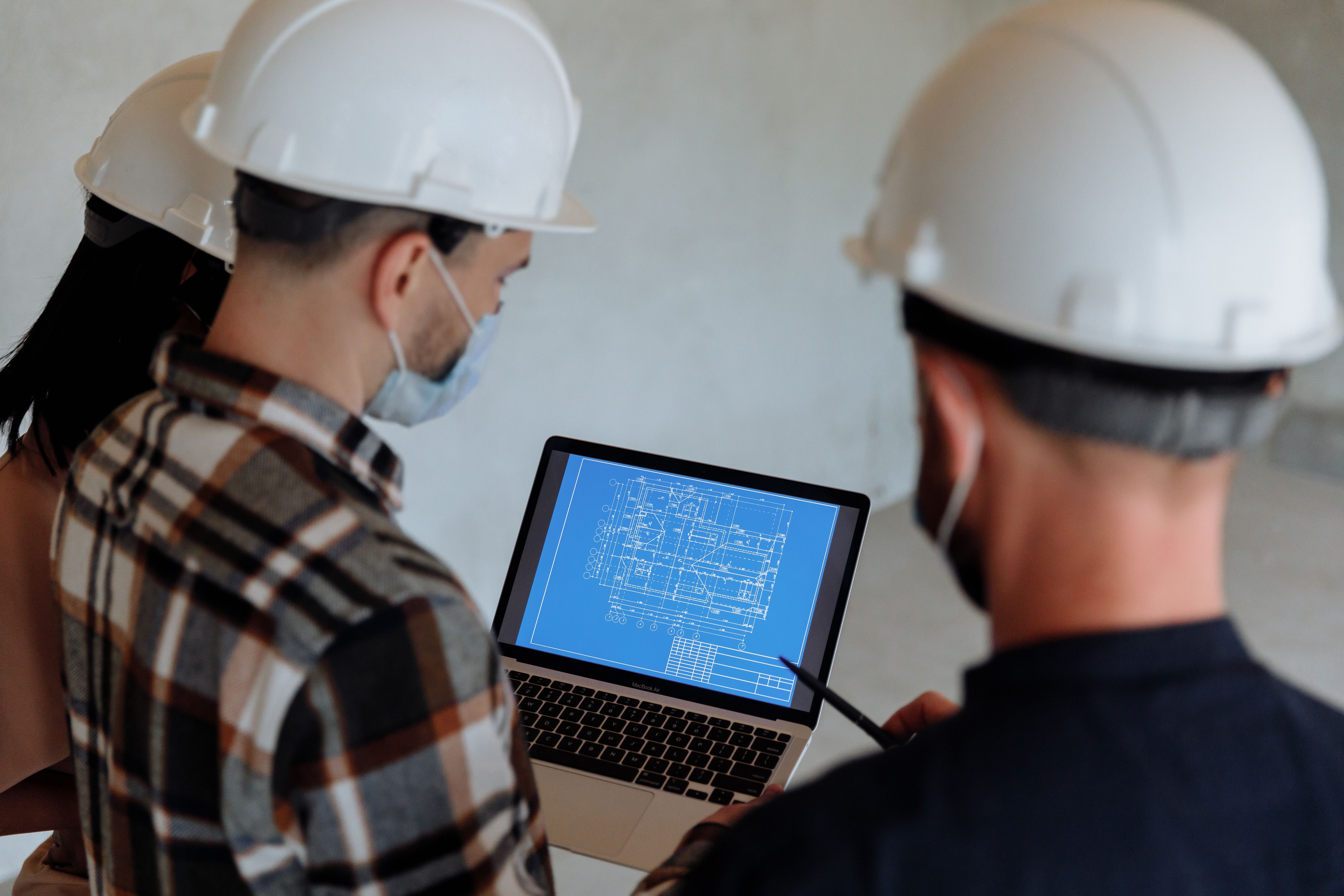
The strongest visualization work begins with the same information the design team is already using. When a rendering is built from the BIM model or from verified CAD geometry, the massing, openings, and proportions match the drawings. When it is built from a loose sketch and a mood board, the image drifts toward what looks good rather than what is proposed. Our team asks for the current model, the material schedule, and the site context before opening any rendering software, because every shortcut at this stage shows up later as a correction request.
Decide What the Image Needs to Prove
Every image in a proposal or interview should answer a specific question. A lobby view might show how daylight reaches a deep floor plate. An aerial view might show how a new building sits against an existing campus. A section cut might explain how a mechanical strategy fits inside a tight ceiling. When the purpose is clear, the camera angle, time of day, and level of detail follow naturally. When the purpose is vague, the result is a pleasant picture that leaves the reviewer with no new information.
Keep Materials and Lighting Believable
Overly saturated skies, perfect weather, and empty plazas are easy to produce and easy to spot. Reviewers who have sat through dozens of pursuits recognize them immediately. We set lighting to match the actual site orientation and a realistic time of year, use material samples or manufacturer data where the design team has chosen finishes, and populate spaces with a believable number of people. The goal is an image an owner could stand inside the finished building and recognize.
Match the Format to the Venue
A rendering printed in a proposal, projected in an interview room, and viewed on a phone by a committee member are three different viewing conditions. Fine detail that reads well on a large screen turns to noise in print, and a wide panorama that works on a monitor may be unreadable on a page. We plan the delivery formats at the start of an engagement, producing still images, short animations, or interactive views depending on where the work will be seen. That planning prevents last-minute resizing that damages composition.
Build in Time for Design Changes
Designs move during a pursuit, sometimes the night before a deadline. A visualization workflow that can absorb those changes is worth more than one that produces a slightly better first image. Working from a live model, keeping scene files organized, and agreeing on a clear change window with the design lead lets revisions arrive without restarting from zero. It also protects the team from the temptation to leave an outdated image in place because updating it feels too expensive.
Pair Images With a Clear Narrative
Renderings do their best work when they sit inside a story the presenter can tell. A sequence that moves from site arrival to public space to a key interior gives a panel a path to follow, and the presenter can speak to each image in a sentence or two. Images dropped onto slides without a through line force the audience to guess what matters. We often help teams storyboard the visual sequence before final renders are produced, which reduces the number of images and raises the impact of each.
The Bottom Line
Architectural visualization earns its place in a pursuit when it clarifies the design instead of decorating it. Building from the real model, giving every image a job, keeping light and materials believable, planning for the venue, and leaving room for change all lead to visuals that hold up under scrutiny. Teams that treat visualization as part of the design conversation, rather than a final coat of paint, end up with work that supports the proposal and stays accurate after the award.