Architectural Visualization for A/E/C Firms: Winning Pursuits and Aligning Design Review

Architectural visualization has moved from a finishing touch to a working tool in the A/E/C industry. We build renderings and animations for firms that need to explain a project clearly to selection committees, owners, and their own project teams. The value is practical. A good image or short animation shortens the distance between what a design team understands and what an owner can evaluate. It also exposes questions early, when a change costs a conversation instead of a change order. In this article we describe how we approach visualization for pursuits and design review, what makes it useful, and the points where it commonly goes wrong.
Visualization in the Pursuit Phase
In a pursuit, you have a limited amount of time in front of a selection panel, and many panelists are not designers. A rendering that shows how a building sits on its site, how people move through a lobby, or how a phased renovation keeps an existing facility running can communicate more than several pages of narrative. We work with proposal and presentation teams to decide where an image does the most work. Often that is the approach section, the interview deck, and the project understanding summary. We design each visual around a specific message, such as access, daylight, or sequencing, so it supports the argument rather than decorating the page.
Animations for Sequencing and Constructability
Animations earn their cost when the subject involves time or movement. Construction phasing, crane placement, temporary access routes, occupied-space renovations, and utility shutdown sequences are hard to explain with static drawings. A short animation tied to the schedule lets a contractor or construction manager show an owner how work will proceed and how disruption will be managed. We build these from the team's model or drawings, and we keep them brief, usually under two minutes, so they can be dropped into a presentation without taking over the interview. Narration and captions are optional, and we prepare versions that work with the sound off.
Supporting Design Review
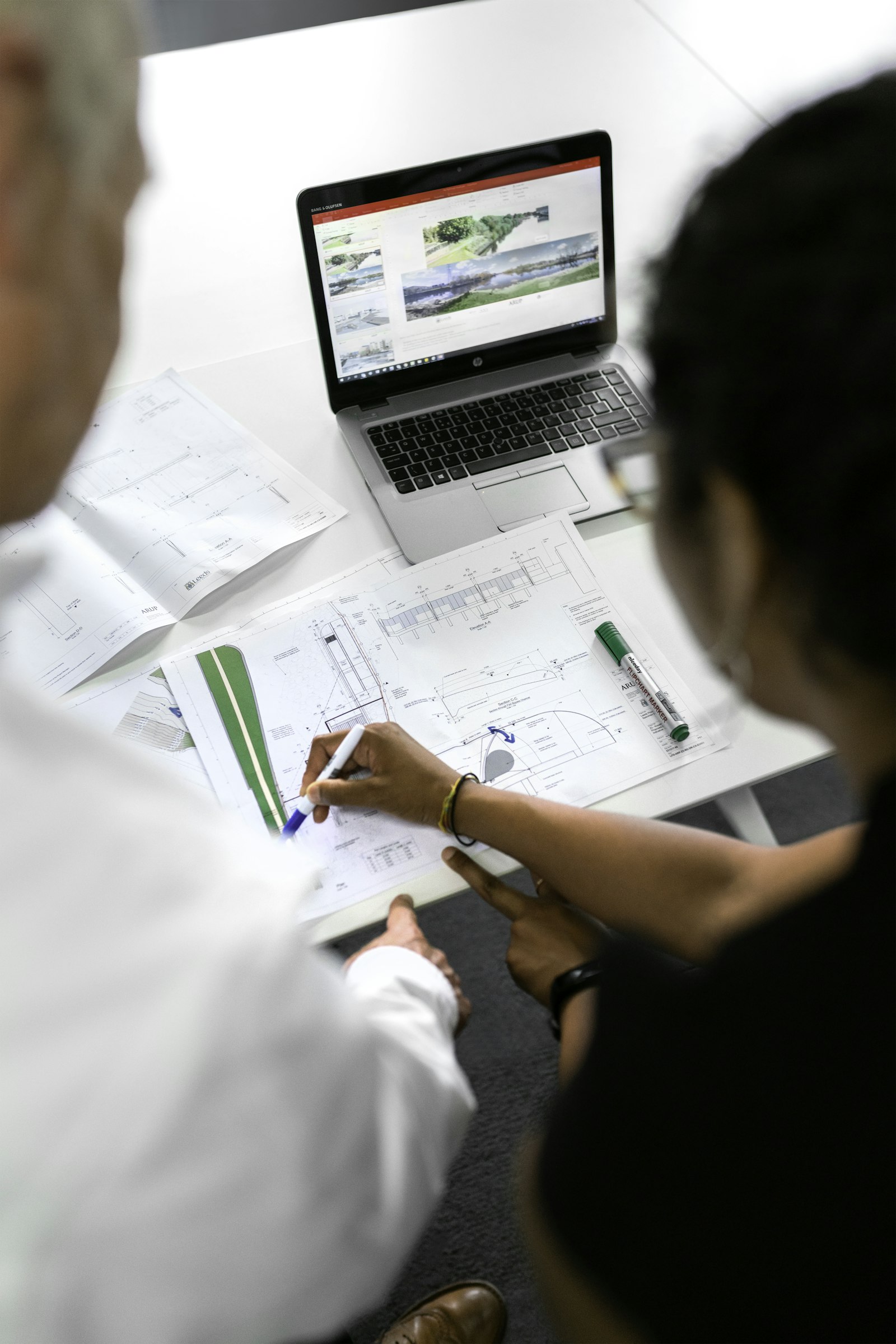
Once a project is awarded, the same visual material helps with design review. Owners and stakeholders often find it difficult to read plans and sections, and they raise concerns late, after drawings are well advanced. Rendered views of key spaces, material and color studies, and simple fly-throughs give reviewers something they can respond to directly. We prepare views at the milestones the design team chooses, such as schematic design and design development, and we label what is fixed and what is still open. That labeling matters. A polished image can imply a decision has been made, so we mark assumptions clearly to keep review comments focused.
Working From Your BIM and CAD Data
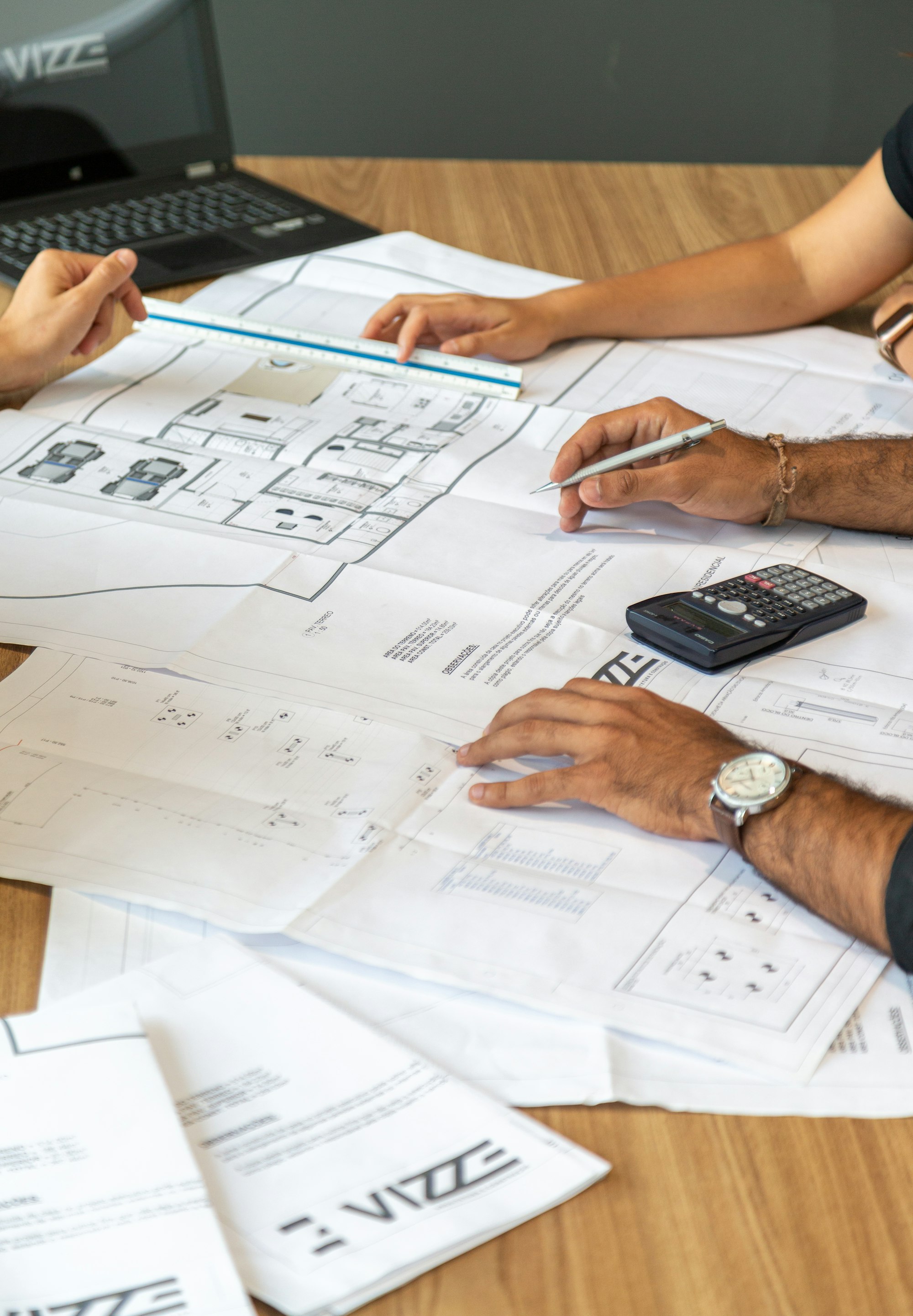
Visualization is faster and more consistent when it starts from the project's own model or drawings. Our BIM and CAD capabilities let us take geometry from Revit, AutoCAD, or similar sources, clean it up, and prepare it for rendering. Doing this inside one team reduces rework. When the design changes, we update the geometry and regenerate views rather than starting from scratch. We also flag modeling issues we find along the way, such as misaligned levels or missing elements, so the design team can fix them at the source. Where a project has no model yet, we can build simplified massing for early-stage pursuit imagery.
Keeping Imagery Accurate and Credible
Selection committees and owners notice when a rendering does not match what the firm can build. We keep visuals tied to the actual design intent, using real materials, correct proportions, realistic landscaping, and plausible lighting. We avoid effects that suggest a level of finish the budget will not support. Consistency also matters across a pursuit package. Images, graphs, and slides should share a visual language so the proposal reads as the work of one team. We coordinate with the people writing the proposal and developing the presentation so that captions, callouts, and layouts reinforce each other.
Fitting Visualization Into the Whole Pursuit
Visuals work best when they are planned alongside the rest of the pursuit rather than ordered at the last minute. We combine visualization with proposal development, presentation development, and coaching, so a firm can arrange the story, the images, and the delivery together. Early in a pursuit, we ask for the scope, the evaluation criteria, and the interview format, and we recommend a limited set of visuals that address those criteria. That keeps cost and schedule under control and prevents the common problem of dozens of images with no clear role.
The Bottom Line
Architectural visualization pays off when it has a defined job: to explain a design, a sequence, or an approach to an audience that needs to make a decision. We plan each image or animation around that job, build it from accurate project data, and label what is still open. If your team has a pursuit or a design review coming up, send us the scope and the evaluation criteria, and we can recommend the visuals that fit your schedule and budget.