K12 Education Pursuits: Letting a School Board Walk Through the Building Before It Exists

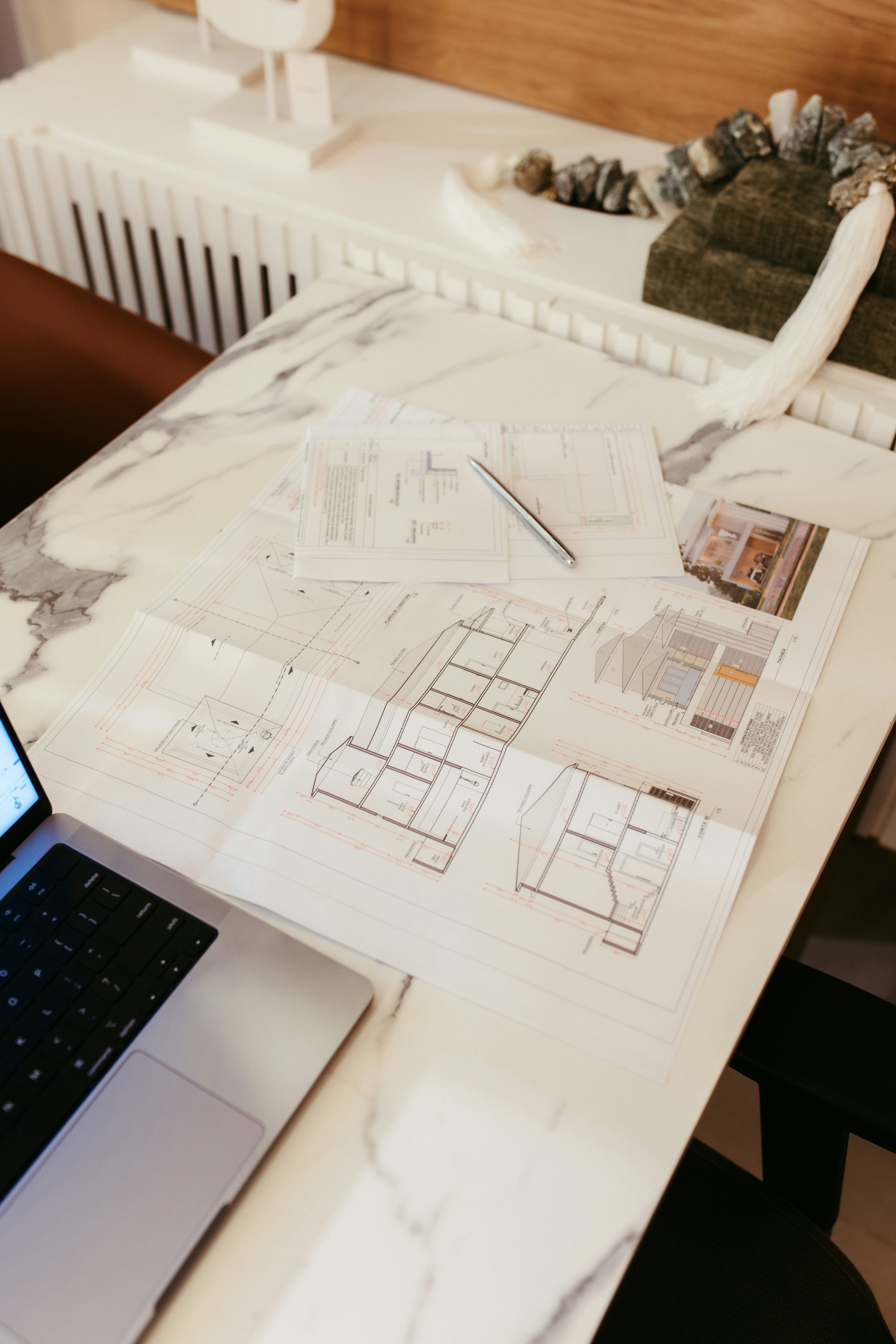
School board members and parent committees rarely read drawings for a living. They are asked to approve bond-funded buildings, compare competing teams, and explain their choice to a community that will live with the result for fifty years. A K12 pursuit presentation has to serve that audience, and the teams that do it well treat visualization as a decision tool rather than decoration.
Start With the People Who Will Use the Building
A K12 project has a wider set of stakeholders than most sectors. Teachers care about sightlines and storage. Principals care about supervision and arrival flow. Facilities staff care about what they will maintain for decades. Parents care about safety and pickup lines. A good presentation names these groups early and shows each one something specific, such as a classroom wing seen from a teacher's position at the front of the room, or the drop-off loop viewed across a morning peak.
Show the Day as Well as the Building
Still renderings of a finished facade tell a board what the school will look like. They do not tell the board how a school day will work. Animations and walkthroughs can follow a student from the bus lane to the front door, through the corridor, into a classroom, and out to the commons at lunch. That sequence answers questions about security, circulation, and daylight that a floor plan only implies. It also gives board members language they can repeat when residents ask why one team was selected.
Use Virtual Reality Where It Changes the Decision
Virtual reality earns its place when the question is about scale and space. A principal standing in a headset inside a proposed library can judge whether the reading areas feel generous or tight in a way no drawing communicates. The same applies to a gymnasium volume, a double-height lobby, or a science lab layout. PRESWERX builds virtual and augmented reality experiences for design teams, and the practical lesson from that work is to pick two or three spaces where the experience will matter and build those well, rather than modeling every room at modest quality.
Plan for the Phasing Problem
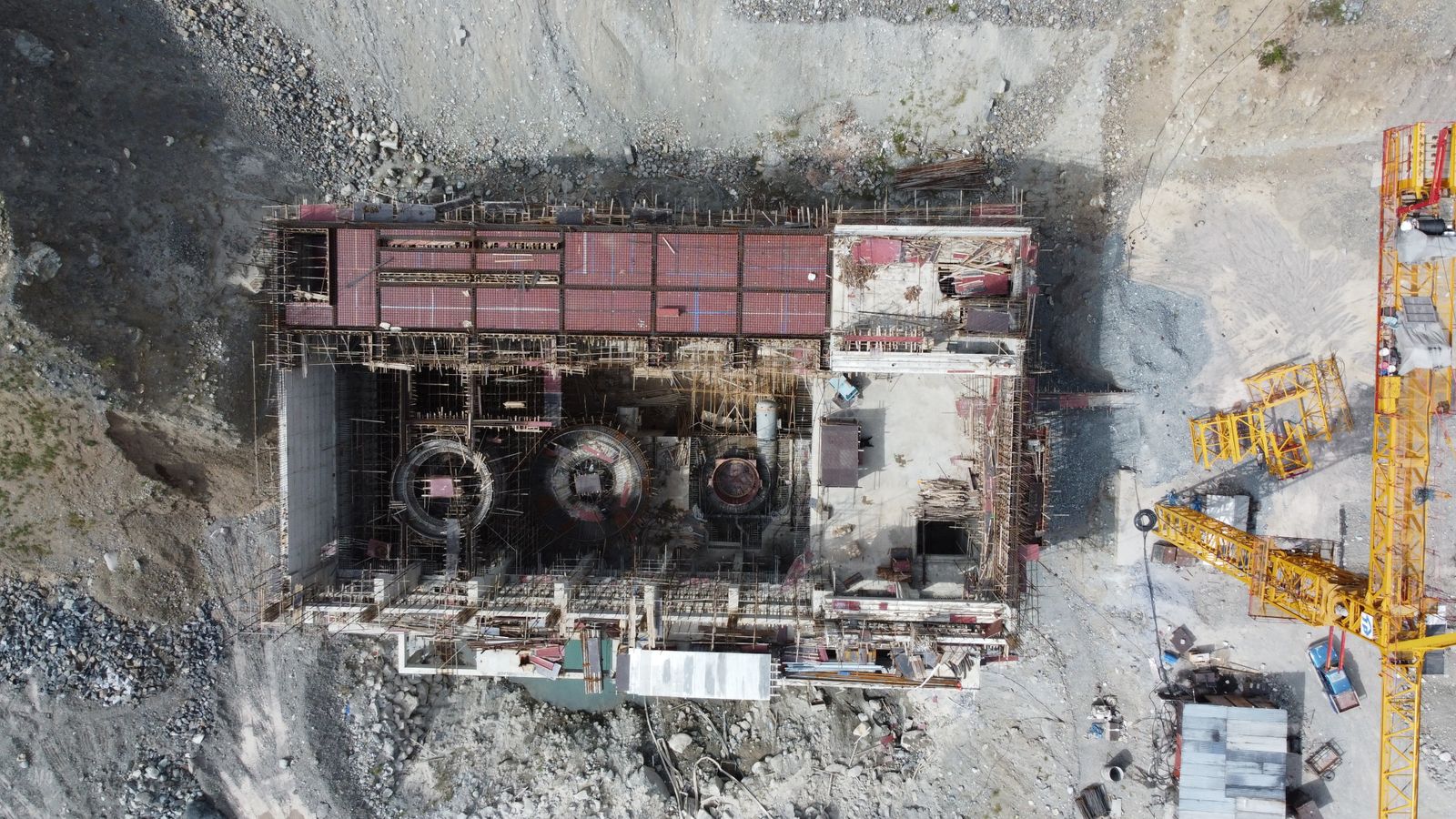
Many K12 projects are built beside occupied buildings or during a single summer break. Boards want to understand how students and staff will be protected while work proceeds. A logistics animation that shows fencing, construction access, deliveries, and student routes in each phase does more to build confidence than a paragraph in the narrative. It also exposes planning gaps early, which is better done in a pursuit than in a pre-construction meeting after award. Boards also appreciate seeing the sequence in terms of the calendar they know. Marking summer break, testing weeks, and holiday closures on the animation timeline helps non-technical viewers connect construction activity to the school year, and it shows the team has studied how the district actually operates.
Keep the Live Presentation Short and Visual
Interview panels for school projects are often short, and board members may see several teams in one evening. Visuals should carry the explanation so that the presenters can spend their time on people and approach. A clear structure helps: the team, the understanding of the district's goals, the way the building supports learning, the plan for building it safely, and the commitments the team is making. Each segment should have one or two visuals that a board member could describe from memory the next morning.
Prepare for Community Audiences
Some K12 selections happen in public meetings. Presenters should expect residents who have not seen the proposal documents and who may be skeptical of spending. Plain language matters. Avoid trade terms where an everyday word works, and test every visual by asking whether a person with no construction background would know what they were looking at. Presentation coaching before the interview helps teams find the places where their explanation depends on jargon.
The Bottom Line
A school is one of the most public buildings a community funds, and the selection process reflects that. Visualization, virtual reality, and clear presentation structure give boards a way to understand what they are choosing and why. The goal is not a more elaborate show. It is a presentation that lets a non-technical audience make a confident decision and stand behind it.